Webinar Summary: Ontario’s proposed e-bike framework
On May 20th, 2026, I hosted a webinar to bring people together to discuss Ontario’s proposal for a new way to define e-bikes.
The webinar was attended by 65 engaged participants, including e-bike riders (current and prospective), staff from public, private, and non-profit sectors, volunteers, retailers, shared system operates, and academia (Figure 1).
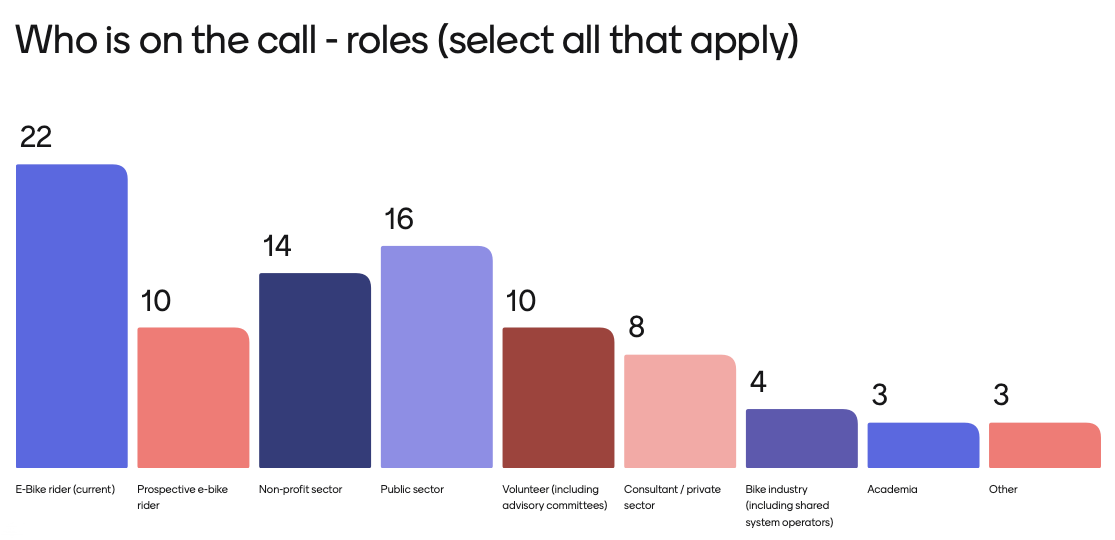
Figure 1. Menti poll graph showing breakdown of who participated in the webinar.
The meeting kicked off with a presentation from me including a bit of background on e-bike policy in Ontario, an overview of the proposed framework, and my analysis of the proposal. Participants then shared their thoughts on the proposal through a Menti poll, Zoom chat, and verbal discussion.
Documents of interest from the meeting include:
Key themes & takeaways:
Some of the high-level themes and takeaways from the webinar discussion include:
Participants generally felt that the proposed framework would be an improvement on what we currently have now and that it is aligned with many of the values put forward by Stuckless Consulting Inc. (Figure 2). Participants highlighted that the biggest improvements were related to safety and clarity.
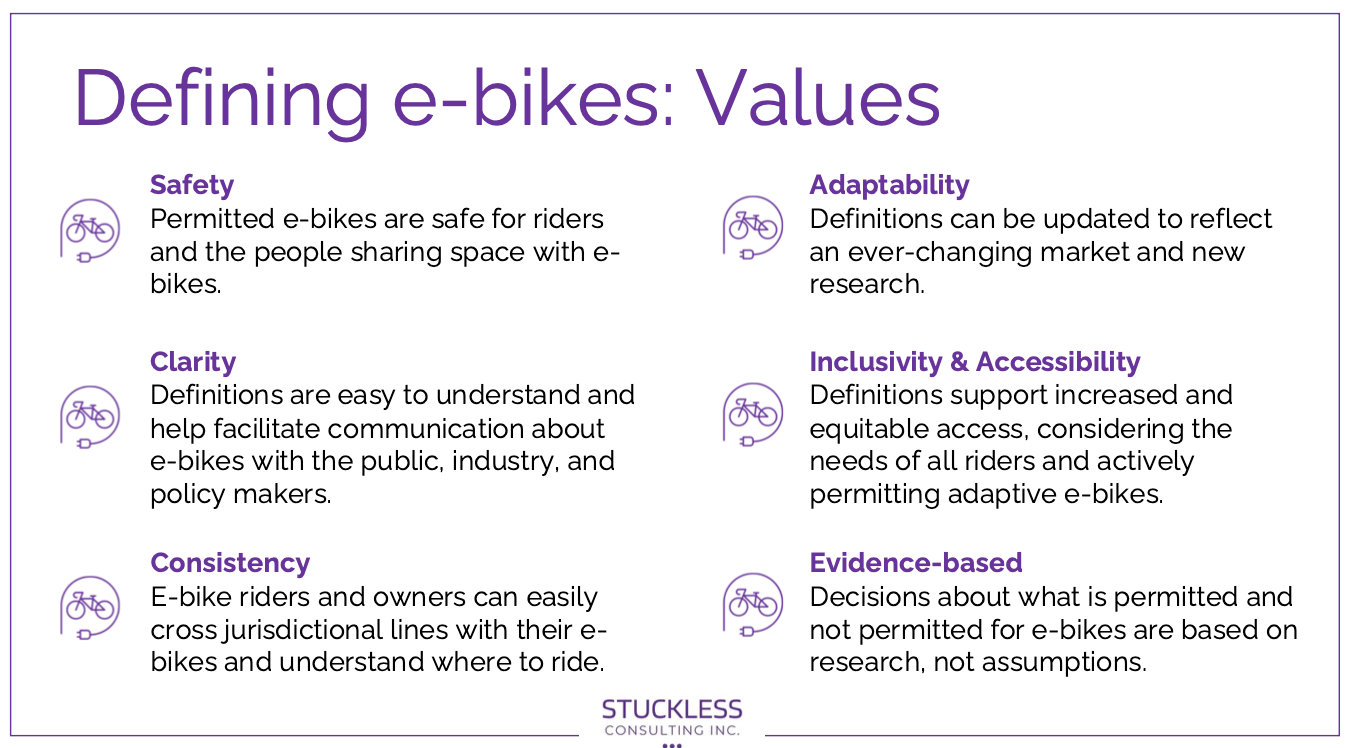
Figure 2. Values for defining e-bikes, as proposed by Stuckless Consulting Inc.
If enacted as written, 80% of participants agree that the proposed framework would help them address the major issues they encounter related to e-bikes (Figure 3).
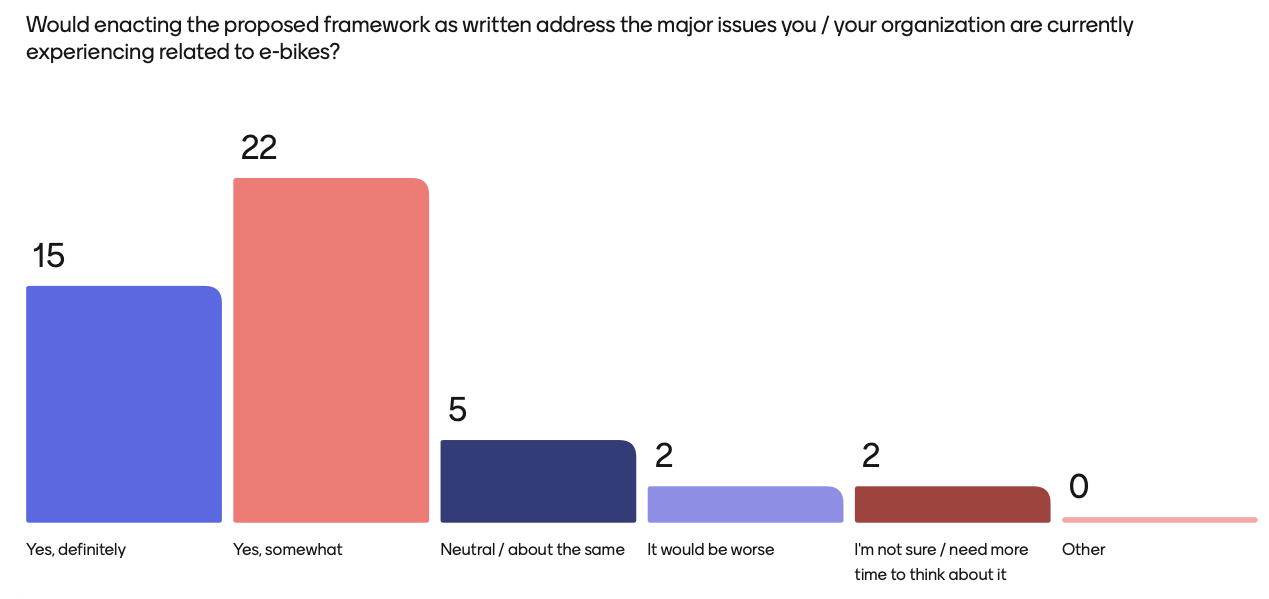
Figure 3. Menti poll results showing that 80% of participants agree that the proposed framework would help them address e-bike issues.
When asked what they like about the proposed framework, participants were most enthusiastic about the clarity provided between bicycle-style e-bikes and moped- or motorcycle-style e-bikes, and about the updated permissions that would allow child passengers when a seat is provided.
Although most respondents expressed support for moving moped- and motorcycle-style devices into a category that would require them to meet federal safety standards and be licensed and insured (Figure 4), participants also expressed concerns about the mobility and equity implications of this change. There was interest in financial support to help people transition to a legal device.
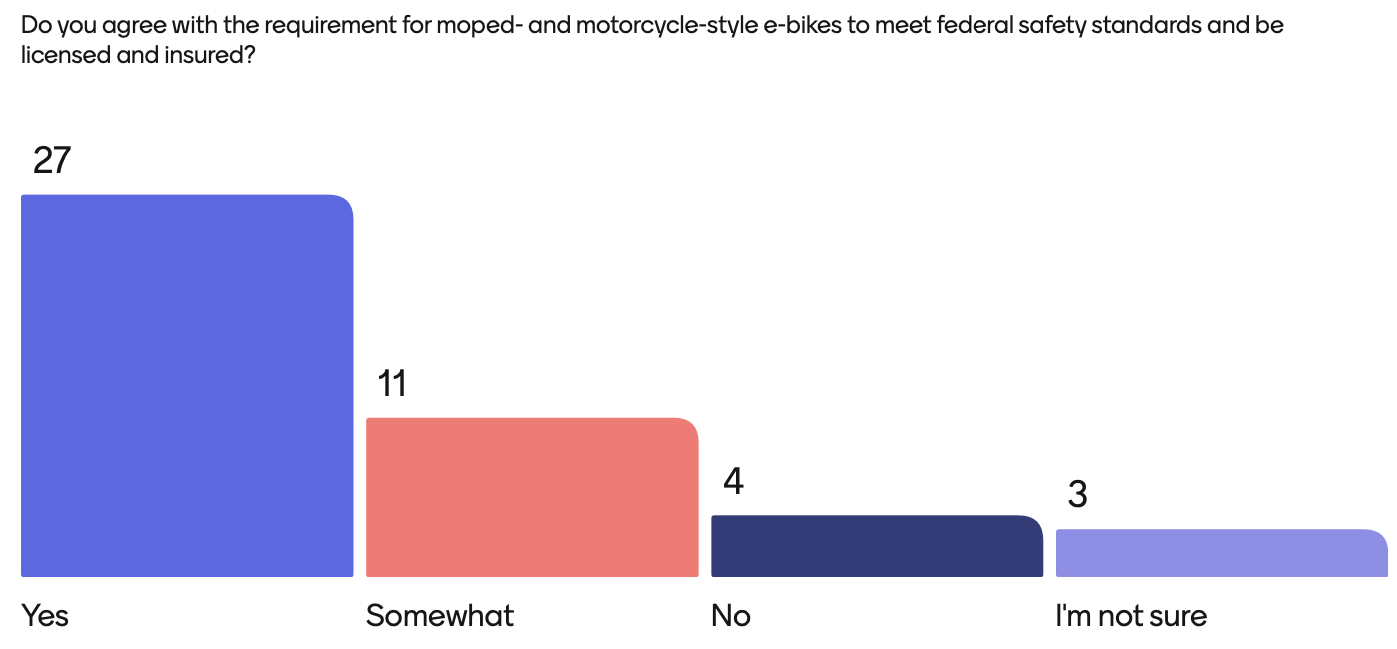
Figure 4. Menti poll showing support for proposed change to moped- and motorcycle-style e-bike requirements
Clarification was requested on several elements of the proposal, including:
Whether the “ no modifications” clause would have mode details specifying it is about power and speed.
Ensuring side panel restrictions would not create issues for bicycle-style bikes with cargo or passenger panels.
Clarifications regarding the adjustable seat.
Inquiries about exemption bike share from all-ages helmet requirement.
Discussions about weight requirements were inconclusive. Participants were presented with a proposal from Cycle Toronto to “flip” the proposed weight requirements, so that pedal-assist (class 1) e-bikes could be heavier than throttle-assist (class 2) (Figure 5).
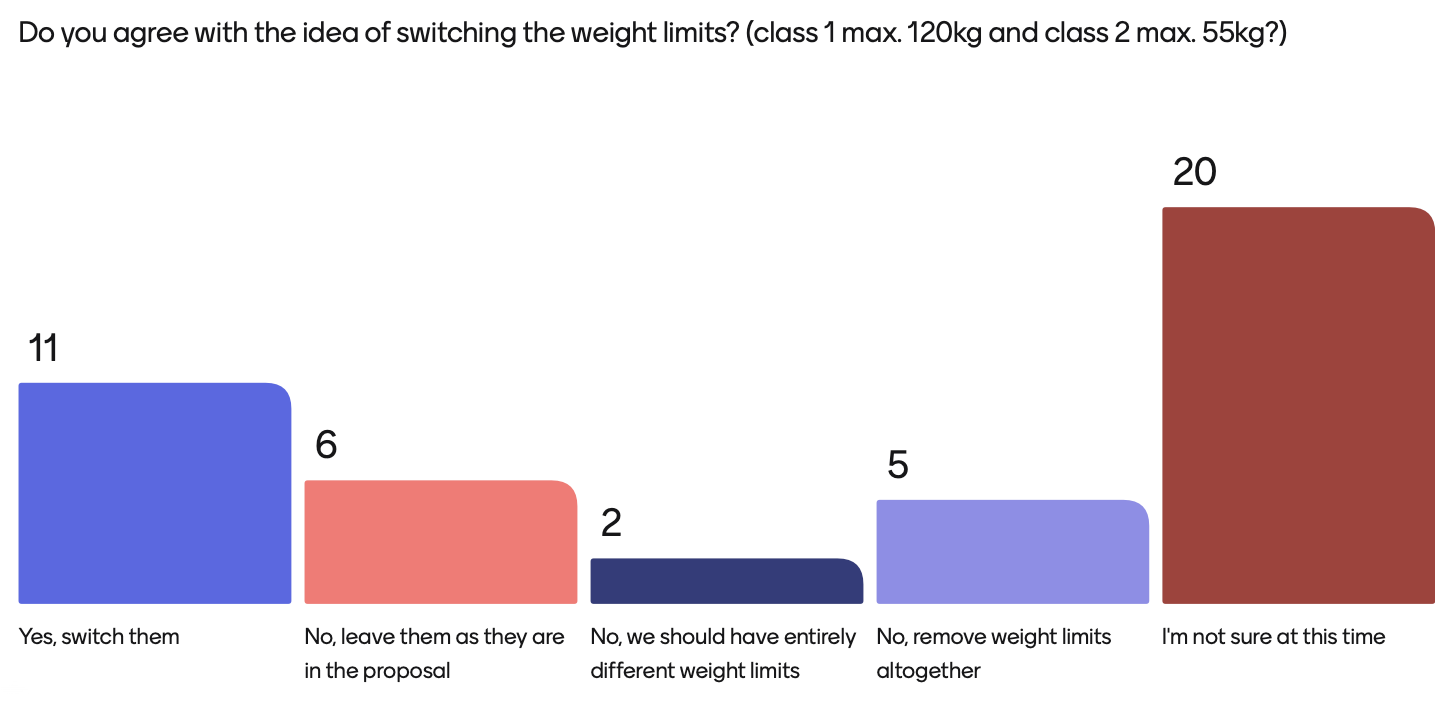
Figure 5. Menti poll showing uncertainty about proposal to “flip” the weight limits in the proposed framework so that pedal-assist e-bikes could be heavier
Participants expressed concerns that a lack of enforcement, including for online sales, would limit the effectiveness of this proposal.
Support was expressed for including the “walk-assist throttle” as an important accessibility feature for class 2 e-bikes.
Lack of battery certification requirements notes as a gap in the proposal.
A huge thank-you to everyone who participated in the discussion! For a more detailed overview of what was shared, check out the full meeting summary that I put together.
Everyone is invited and encouraged to submit their feedback on the proposed framework to the Ministry of Transportation during the comment period. Comments on the proposal are due through the Regulatory Registry by June 8th.